


Traveling With a Diabetic: 10 Tips for a Safer, Happier Vacation
Updated: Sep 4

Vacations are supposed to be relaxing.
But let's be realistic.
You woke up at 5:30 AM for the excursion. Nobody ate breakfast. You've walked 12,000 steps before lunch. It's 90 degrees outside. Someone ordered a margarita. And now the person you love is suddenly acting like YOU personally ruined the entire vacation.
Before you get mad...
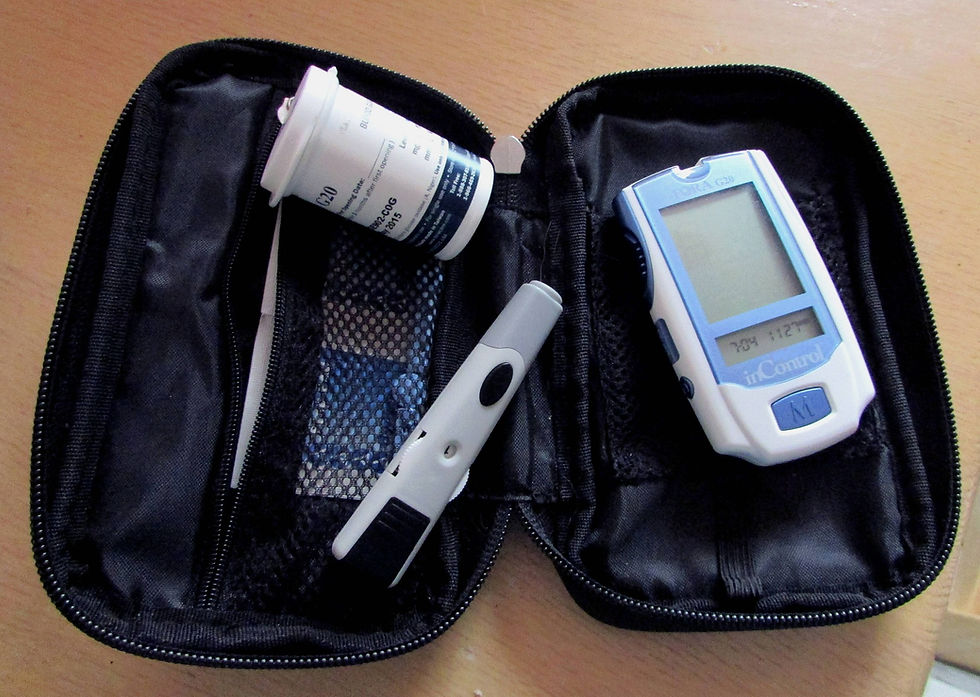
Check the sugar! (Some use the word "sugar' instead of 'blood sugar')
When you travel with someone who has diabetes, preparation isn't just about remembering passports and sunscreen. Changes in meals, activity, sleep, time zones, heat, alcohol, stress, and daily routines can affect glucose management.
Sometimes a person experiencing high or low blood glucose may not immediately recognize that something is wrong.
So, whether you're traveling with your spouse, parent, friend, sibling, or another loved one with diabetes, here are 10 tips that can help everyone have a safer and much more enjoyable vacation.
🎁 FREE TRAVEL RESOURCE
Diabetes Travel Packing Checklist
Traveling with diabetes? Download my FREE printable checklist with helpful reminders for medications, CGM supplies, snacks, important documents, travel companions and more.

👇 Click the download icon below to get your FREE checklist.
1. Pack Your Patience
This one goes first for a reason.
Changes in blood glucose can sometimes affect how a person feels, thinks, and behaves.
So, if your normally pleasant travel companion suddenly turns into someone you don't recognize:
Before you match the attitude, CHECK THE GLUCOSE!.
And remember that significant highs and lows can be medically serious. Follow the person's established diabetes treatment plan and seek medical help when necessary.
DO NOT ASSUME YOU KNOW WHETHER THEIR BLOOD GLUCOSE LEVEL IS HIGH OR LOW. HAVE THEM TEST OR HELP THEM TEST BEFORE TAKING ACTION!
2. Once They're Back to Normal, Don't Hold a Grudge

This may be one of my most important travel-companion tips.
Suppose your travel partner wasn't very pleasant when their glucose was out of range. They checked it, followed their treatment plan, ate or took their prescribed medication as appropriate, and now they're feeling GREAT.
Don't ruin the next three hours reminding them how they acted during the previous 30 minutes. Sometimes people don't fully recognize changes in their own behavior when their glucose is significantly high or low. Once they're feeling better, give each other some grace and go enjoy the day.
You paid too much for this vacation to spend it sitting on opposite sides of the pool because somebody had an attitude at breakfast. 😂
3. If They Use a CGM, Consider Sharing Their Readings
Technology can be extremely helpful when traveling.
Many continuous glucose monitors (CGMs) allow the person using the device to voluntarily share glucose information with trusted family members or companions through an app.
If your travel companion is comfortable sharing that information with you, set it up BEFORE leaving home.
You might be sightseeing when you notice they're trending low.
Or perhaps you're sitting at the beach and notice their glucose is unusually high.
Instead of:
“What's wrong with you today?”
You can say:
“Hey, your CGM says you're running high. Do you need to check it?”
That can turn an argument into a health conversation.
Remember: CGM sharing should always be done with the person's permission. You're their travel partner, not the Diabetes Police.👮
4. Never Let the Medication Travel in the Checked Suitcase
Diabetes medication, insulin, glucose supplies, CGM supplies, testing equipment, and essential medical items should generally stay in carry-on luggage rather than checked baggage.
Why?
Checked luggage can be delayed, lost, mishandled, or exposed to temperatures that may damage certain medications.
Bring more medication and supplies than you expect to need in case your trip is unexpectedly extended or something is lost or damaged.
Also make sure medications are stored according to their specific temperature requirements.
Your swimsuit can arrive tomorrow.
Your essential medication cannot.
5. Always Carry Fast-Acting Carbohydrates
A person who is at risk of hypoglycemia should have an appropriate source of fast-acting carbohydrates readily available according to their diabetes care plan.
Keep it accessible. Don't bury it underneath three outfits, two pairs of shoes, a curling iron, and the souvenirs you bought at the airport.
Depending on the person's plan, that might include glucose tablets or glucose gel. Other suitable options may be used when appropriate.
6. Don't Skip Meals Just Because Vacation Is Busy

This happens all the time.
The tour leaves at 7:00 AM.
Everybody overslept.
Someone is still looking for their sunglasses.
The bus is downstairs.
“Let's just grab something later!”
For some people with diabetes, changes in meal timing, especially combined with certain medications or insulin can contribute to dangerous glucose changes.
Plan ahead. If you have an early excursion, determine the night before how breakfast will work. Ask whether the hotel offers early breakfast, grab-and-go options, or room service. Carry appropriate snacks when needed. That extra 10 minutes may save you from dealing with a much bigger problem later.
7. Have a Diabetes Plan for Travel Days
Airports, road trips, cruises, tours, and international travel can completely change a person's normal routine.
Before traveling, the person with diabetes should talk with their healthcare professional when appropriate about managing medications, insulin, meals, time-zone changes, increased activity, and other travel-specific concerns.
This is particularly important for complicated itineraries or major time-zone changes.
Do not improvise medication doses for someone else. Your job as the travel companion is to support their established medical plan, not create one at Gate B17.
8. Remember That Vacation Activity Counts
You may not exercise much at home, but suddenly vacation has you:
Walking through airports.
Climbing stairs.
Touring ruins.
Swimming.
Dancing.
Hiking.
Walking around a cruise port.
And somehow your watch says you've completed 18,000 steps.
Increased physical activity can affect glucose levels, including increasing the risk of lows for some people. Keep an eye on glucose levels according to the person's care plan, especially when activity is significantly different from normal.
Vacation exercise sometimes sneaks up on you because apparently walking from the hotel room to the breakfast buffet does not cancel out the other 17,000 steps.
9. Know What to Do in an Emergency
Travel companions should know the basics of the person's emergency plan before the vacation starts.
Ask:
Where are your emergency supplies?
Who should I contact?
Do you carry glucagon?
What should I do if you're unable to treat yourself?
Where is your medical information?
What symptoms mean I need to get emergency medical help?
Severe hypoglycemia can cause seizures or unconsciousness and requires urgent treatment. Serious complications from very high glucose can also require emergency medical care. If a person is unconscious, having a seizure, unable to swallow safely, or otherwise experiencing a medical emergency, don't try to force food or drinks into their mouth. Use prescribed emergency treatment if available and if you know how and contact local emergency services.
Hopefully you'll never need the emergency plan.
But “We'll figure it out if something happens” is not an emergency plan.
10. Diabetes Is Part of the Vacation, It Doesn't Have to BE the Vacation
This might be the biggest lesson.
Prepare.
Carry the supplies.
Watch the CGM if you've agreed to share readings.
Eat when necessary.
Take medications as prescribed.
Know the emergency plan.
And then...
ENJOY YOUR VACATION!
Don't make the person with diabetes feel as though everyone is constantly watching them. And if you're the travel companion, don't feel as though every glucose reading means the entire day has to stop. The goal is preparation, awareness, patience, and teamwork.
There may be moments when your plans need to change.
There may be a morning when breakfast needs to happen before sightseeing.
There may be a CGM alarm in the middle of your fabulous dinner.
There may even be a moment when the sweetest person you know suddenly isn't acting very sweet.
Check the sugar.
Handle the situation.
Give each other some grace.
And when everything is okay again?
Go enjoy your vacation.
One Last Travel Tip
Before traveling, people with diabetes should discuss any specific concerns with their healthcare professional and make sure they understand how to manage their individual medications, supplies, meals, activity, and emergency needs while away from home.
Every person's diabetes is different. These tips are intended to help travelers prepare and communicate, not replace individualized medical advice.
A great vacation isn't one where absolutely nothing goes wrong.
It's one where you're prepared enough that a problem doesn't have to ruin the trip.
And sometimes the most important thing you can pack isn't in your suitcase at all.
It's patience.
It’s Time For A Vacation
Because good travel planning isn't only about where you're going. It's also about helping you be prepared for the journey.


Comments